All Categories
Featured
Table of Contents
- General Provisions. (a) Absolutely nothing in this order shall be construed to impair or otherwise impact: (i) the authority approved by law to an executive department or firm, or the head thereof; or (ii) the functions of the Director of the Workplace of Management and Budget plan connecting to budgetary, administrative, or legislative proposals.
(c) This order is not intended to, and does not, produce any right or advantage, substantive or procedural, enforceable at law or in equity by any celebration against the United States, its departments, agencies, or entities, its officers, staff members, or agents, or any other individual. (d) The costs for publication of this order shall be borne by the Department of the Treasury.
TRUMP THE WHITE HOME, March 13, 2026.
CalHFA provides California newbie buyers four working help programs in 2026: MyHome (as much as 3.5% of the price for down payment or closing expenses), ZIP (2% to 3% in zero-interest closing cost aid), MyAccess (a 2.5% deferred loan), and Dream For All (as much as 20% of the rate, topped at $150,000, for first-generation buyers).
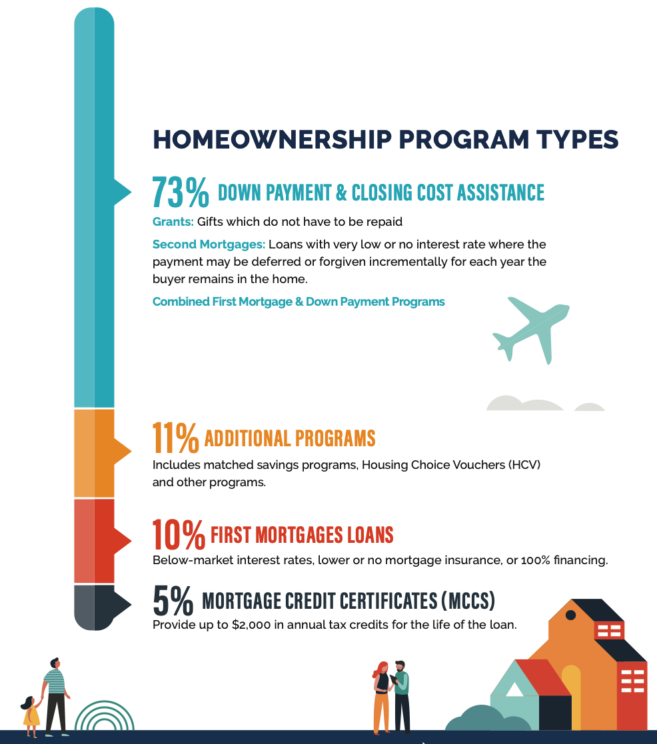
The catch is eligibility: your qualifying income must clear your county's 2026 limit, one debtor requires a homebuyer education certificate, and MyHome and Dream For All both require first-time buyer status. Dream For All is closed since July 2026, while MyHome and ZIP remain open year-round. This page lays out each program with the 2026 numbers, pulled from the firm's released limitations and loan provider matrices.
Effective Debt Planning Tips in 2026
Nothing sours a purchaser faster than reading about last year's program that stopped taking applications. We'll check your earnings against the present 2026 table and inform you which state programs your file really supports, at no cost.
Here is how they line up. ProgramWhat it coversAmountInterestKey requirementDown payment or closing costs3.5% (FHA), 3% (traditional, VA, USDA)Basic interest, deferredFirst-time purchaser; any CalHFA first mortgageClosing expenses only2% or 3% of the first mortgageZero interestCalPLUS initially mortgageDown payment or closing costs2.5% of the loan amountDeferredCalPLUS Gain access to initially, paired with MyHomeDown payment or closing costsUp to 20% of rate, max $150,000 Shared appreciationFirst-generation and novice buyer; window-basedEvery row is a deferred junior loan.
The rest of this page walks every one in detail. CalHFA is the California Real Estate Finance Firm, and it has actually financed homes because 1975. It is self-supporting instead of taxpayer-funded. The company sells bonds and provides the profits. That funding design is why its core programs stay open every year while grant-funded programs reoccur.
Proactive Loss Mitigation Advice for HomeownersHere is the part most purchasers miss out on. The firm never lends to you straight. A CalHFA-approved personal lender stems the loan, through loan officers the state has trained. So the loan officer matters. One who hardly ever touches these files will not understand which pairings fit your situation. The bond-funded core runs continuously.
Reviewing Assistance vs Foreclosure Options
Dream For All is the exception, and we cover its window-based reality below. MyHome is a deferred-payment junior loan, the firm's own term for a second home mortgage with no month-to-month payments.
On traditional, VA, and USDA loans the cap is 3%. The statewide average crowning achievement approximately $930,000 in May 2026, per the California Association of Realtors. Versus that price the FHA version is worth more than $30,000 of help. One correction, since plenty of pages get this incorrect and an older variation of this one did too.
The program handbook specifies it as a simple-interest loan. Absolutely nothing leaves your pocket month to month. However the balance you eventually repay is principal plus accumulated simple interest. ZIP is the genuinely zero-interest program. MyHome beings in second lien position behind your first mortgage. The combined loan-to-value of everything stacked on the home can not surpass 105%.
Proven Methods to Reduce Mortgage Costs Today
Purchasers who desire help that forgives rather of postponing need to compare the Elite Grant, which forgives in as low as 6 to 36 months on qualifying FHA files. Lenders call these "silent seconds" since the junior loan makes no month-to-month need on your budget plan. Your real estate cost is simply the very first home loan, taxes, and insurance.
Proactive Loss Mitigation Advice for HomeownersFor many purchasers that beats draining cost savings at closing. The deferred balance grows slowly, and California equity has historically grown quicker, though no one can assure that pattern for any given year or community. ZIP represents No Interest Program. It is closing cost support in its purest type. The loan equates to 2% or 3% of your first mortgage, and it charges no interest.

Latest Posts
Securing State Mortgage Grants in 2026
Securing Federal Housing Grants in 2026
New Housing Grants for 2026